
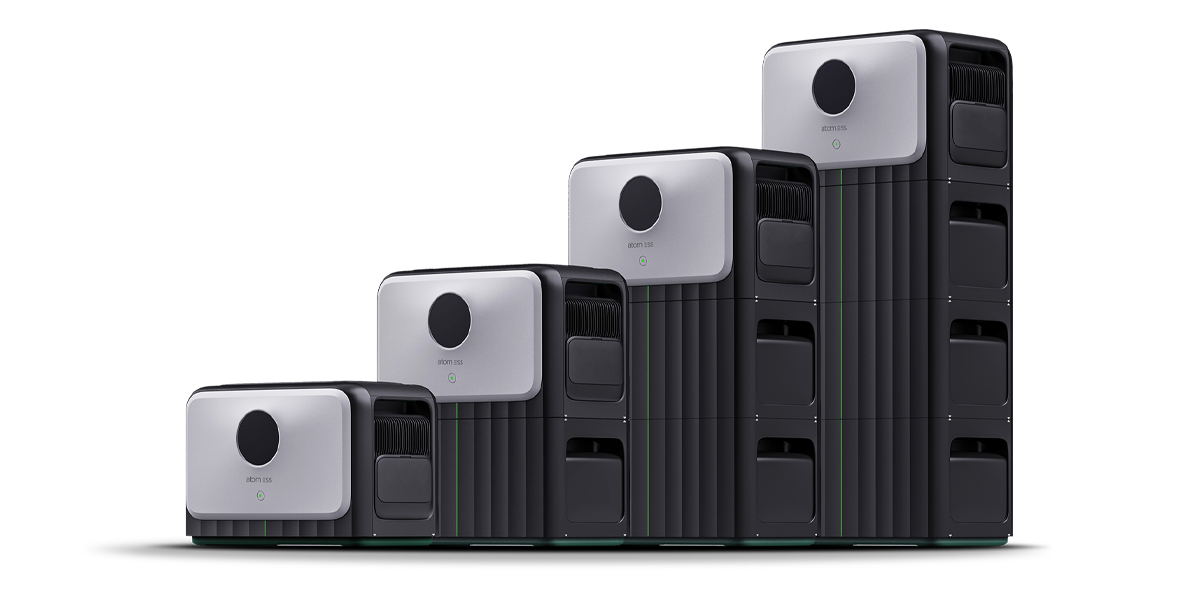
Choosing the right portable power station can feel confusing at first, especially when you start seeing terms like watts, watt-hours, AC output and battery capacity. But the main question is actually quite simple: what do you need to power, and for how long?
A portable power station gives you access to electricity when you are away from a plug socket. Whether you are camping, travelling in a van, working outdoors, attending events, or preparing for power cuts at home, the right unit can keep your essentials running when you need them most.
Understanding watts and watt-hours
When comparing portable power stations, there are two key figures to look at.
Watts tell you how much power the unit can deliver at one time. For example, a phone charger may only need around 10–20W, while a laptop may need 60–100W. Larger appliances, such as kettles, heaters or power tools, usually need much more.
Watt-hours, often written as Wh, tell you how much energy the battery can store. The higher the Wh rating, the longer the power station can run your devices.
A simple way to think about it is:
Watts = what the power station can run
Watt-hours = how long it can run it for
A simple runtime calculation
To estimate how long a portable power station will last, you can use this basic calculation:
Battery capacity ÷ device wattage = estimated runtime
For example, if a portable power station has a 500Wh battery and you plug in a device that uses 50W, the rough runtime would be around 10 hours.
However, this is only a guide. In real life, runtime can vary depending on the type of device, how consistently it draws power, temperature, inverter efficiency and how the power station is being used.
Some devices may use less power than expected once running, which means the unit can last longer than the simple calculation suggests. Others may draw more power at certain points, especially when starting up. This is why it is always useful to see the calculation as a practical estimate rather than an exact guarantee.
Choosing the right size
For light everyday use, such as charging phones, tablets, cameras, speakers and lights, a smaller portable power station is usually enough. This makes it ideal for day trips, festivals, short camping breaks, photography, fishing, or keeping essential tech topped up while travelling.
If you need to power laptops, lighting, portable fridges, monitors, camera equipment or multiple devices at the same time, it is worth moving up to a higher-capacity model. This gives you more flexibility and reduces the risk of running out of charge too quickly.
For van life, outdoor work, longer camping trips or home backup, a larger portable power station can become part of your everyday setup, giving you reliable access to power without relying on campsites, cafés, extension leads or your car battery.
Plan around your real use case
The best portable power station is not always the biggest one. It depends on how you plan to use it.
Start by writing down the devices you want to power, check their wattage, and think about how many hours you need each one to run. From there, you can choose a power station that matches your lifestyle, whether you need something compact for essentials or a larger model for longer, more demanding use.


Leave a comment
This site is protected by hCaptcha and the hCaptcha Privacy Policy and Terms of Service apply.