
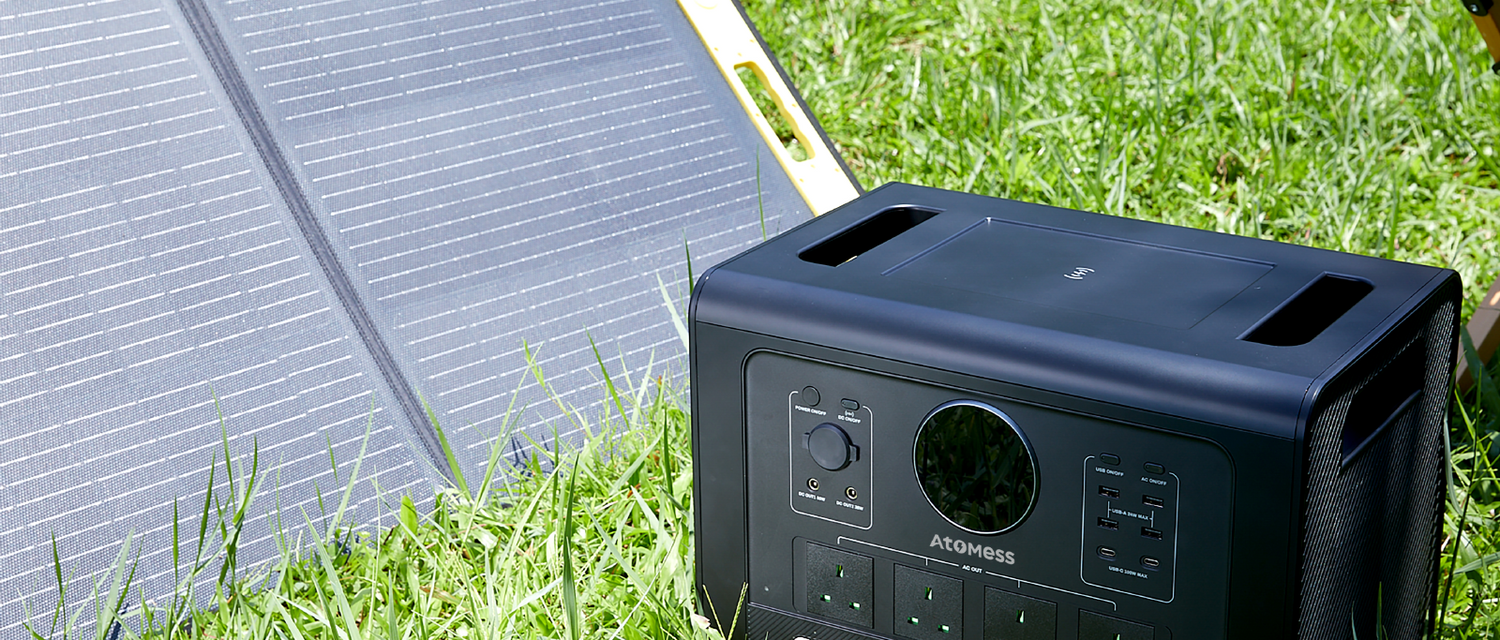
For years, petrol generators have been the go-to option for portable power. They are commonly used on worksites, at events, in remote locations and during power cuts. But as battery technology has improved, more people are now choosing portable power stations as a cleaner, quieter and easier alternative.
So, which is better: a portable power station or a traditional generator?
The answer depends on what you need it for.
What is a portable power station?
A portable power station is a rechargeable battery system that stores electricity and allows you to power devices when you are away from mains power. You can charge it from a wall socket, car outlet, or in many cases, compatible solar panels.
Once charged, it can be used to run or recharge phones, laptops, lights, cameras, speakers, small appliances and other electrical devices.
Unlike a petrol generator, it does not need fuel while in use. It also does not produce fumes, making it far easier to use in a wider range of situations.
What is a generator?
A traditional generator creates electricity by burning fuel, usually petrol or diesel. This makes it useful for long periods of high-power output, especially on building sites or in remote areas where fuel is available.
However, generators can be noisy, heavy and require ongoing maintenance. They also produce exhaust fumes, which means they should only be used outdoors and away from enclosed spaces.
Noise levels
One of the biggest differences is noise.
Petrol generators are known for being loud. This can be a problem at campsites, events, residential areas, fishing spots or anywhere you want a quieter setup.
Portable power stations are much quieter. Because they are battery-powered, they can run without the constant engine noise of a generator. This makes them ideal for camping, van life, content creation, outdoor leisure, and backup power at home.
Cleaner, greener portable power
Portable power stations also offer clear environmental benefits compared with fuel-powered generators.
Because they run from stored battery power, they do not produce exhaust fumes while in use. This means no petrol smell, no direct emissions at the point of use, and no need to keep topping up with fuel.
When paired with compatible solar panels, a portable power station can also be recharged using renewable energy, making it an even cleaner option for camping, van travel, outdoor work and off-grid use.
For anyone looking to reduce reliance on petrol or diesel-powered equipment, a portable power station offers a more modern and lower-emission way to access power on the move.
Ease of use
A portable power station is usually much easier to use. You charge it, press a button, plug in your device and go.
There is no fuel to handle, no oil to check, and no engine maintenance. This makes them a good choice for people who want reliable power without the hassle of running a fuel-based machine.
Generators can still be useful, but they require more care. You need fuel, ventilation, servicing and safe storage.
Which one should you choose?
A generator may be better if you need very high power for long periods and have a safe outdoor space to run it.
A portable power station is better if you want something quiet, clean, simple and easy to use for everyday devices, camping, van life, home backup, events or outdoor work.
For most people who need flexible power without noise, fumes, fuel or ongoing maintenance, a portable power station is the more practical option.


Leave a comment
This site is protected by hCaptcha and the hCaptcha Privacy Policy and Terms of Service apply.