
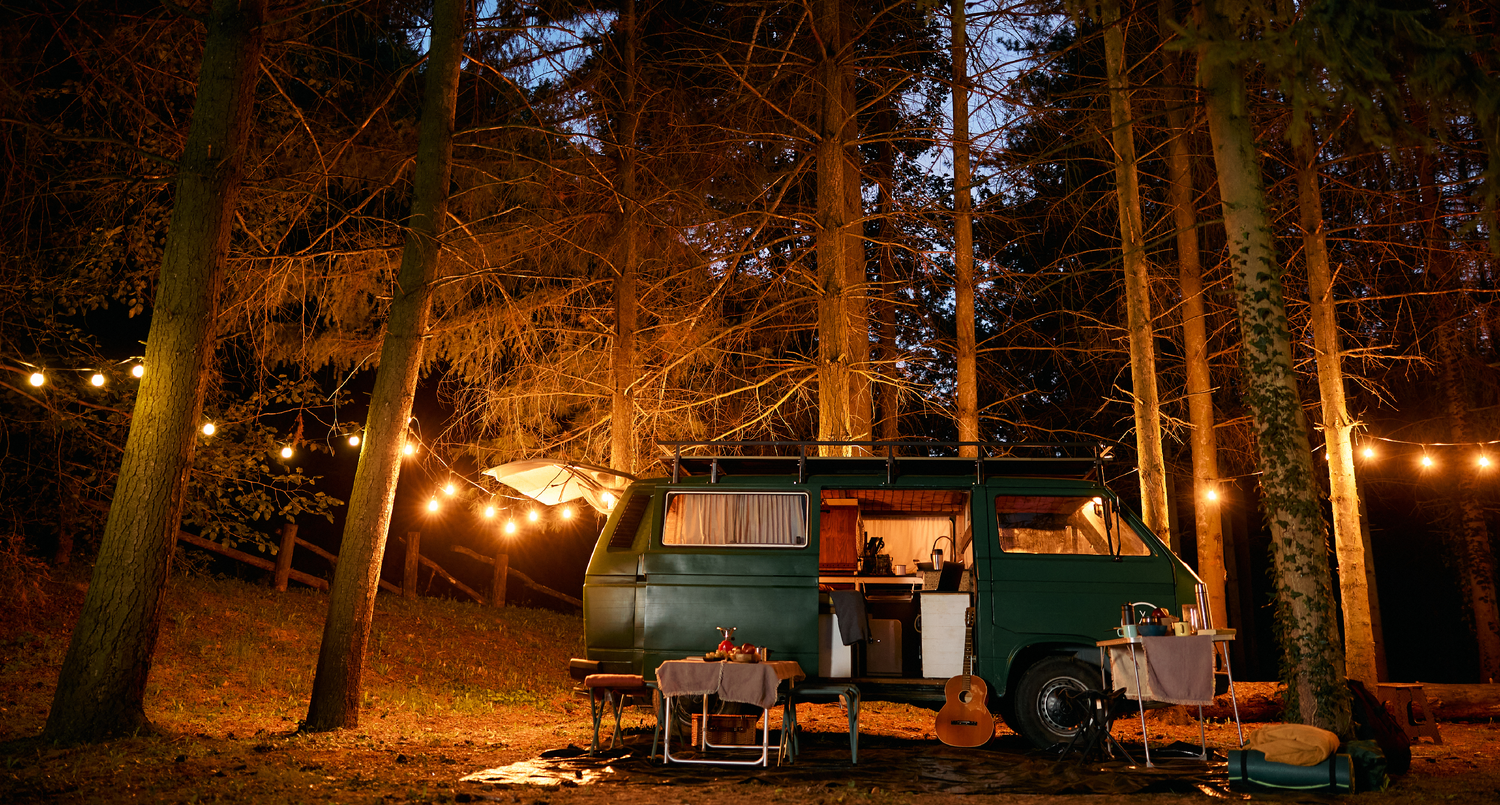
Camping in the UK can be unpredictable. One minute you are enjoying a sunny weekend outdoors, the next you are dealing with rain, cold evenings, low phone battery and no easy access to a plug socket.
That is where a portable power station can make a big difference.
Whether you are heading to a campsite, festival, fishing spot, van trip or weekend away, a portable power station gives you reliable access to electricity when you need it.
Why take a portable power station camping?
Modern camping often involves more tech than people realise. Phones, lights, speakers, cameras, tablets, air pumps, cool boxes and laptops all need power. Even if you are trying to keep things simple, having a reliable backup can make the trip much easier.
A portable power station allows you to keep your essentials charged without relying on your car battery, campsite sockets or shared charging points.
It is especially useful if you are camping somewhere more remote or spending several days outdoors.
What can you use it for?
A portable power station can be used for a wide range of camping essentials, including charging phones and tablets, running camping lights, powering speakers or radios, charging cameras and drones, keeping laptops or work devices topped up, supporting portable fridges or cool boxes, and providing backup power in bad weather.
The right setup depends on how much power you need and how long you are away for.
What size do you need for camping?
For a short weekend trip, a smaller portable power station may be enough to keep phones, lights, cameras and smaller devices charged.
For longer trips, van life, larger groups, or if you want to power a portable fridge, laptop or higher-demand equipment, it is worth choosing a larger capacity model. This gives you more flexibility and reduces the risk of running out of power halfway through the trip.
A simple way to estimate runtime is:
Battery capacity ÷ device wattage = estimated runtime
For example, if your power station has a 500Wh battery and your device uses 50W, you could expect around 10 hours of use as a rough guide.
However, this can vary. Some devices do not draw the same amount of power constantly, so your unit may last longer than the basic calculation suggests. Other devices may use more power when starting up, so it is always best to treat the calculation as an estimate rather than an exact figure.
Quiet power for campsites
One of the main benefits of a portable power station is that it is quiet. Unlike a petrol generator, there is no noisy engine running in the background.
This makes it a much better fit for campsites, family trips, festivals and outdoor settings where you do not want to disturb other people.
It also means you can use it in a more relaxed way — in your tent, awning, van or camping setup — without the noise and fumes of a traditional generator.
Solar charging while camping
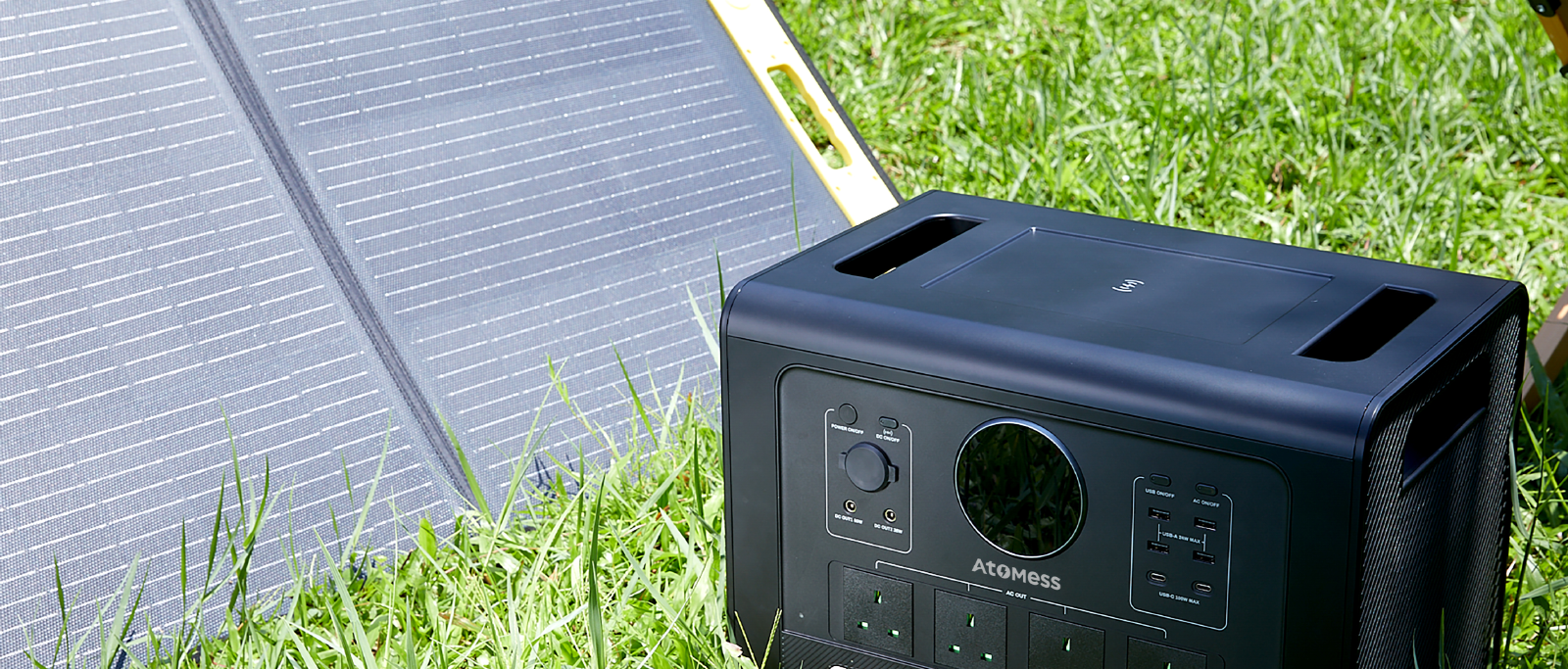
If your portable power station supports solar charging, a compatible solar panel can be a useful addition. It allows you to recharge during the day and extend your time off-grid.
This is particularly useful for longer camping trips, van travel, fishing weekends or remote locations where plug sockets are not available.
A better camping experience
A portable power station will not replace the feeling of being outdoors, but it can make the practical side of camping much easier.
You can keep your phone charged for maps and emergencies, power your lights at night, keep camera equipment ready, and enjoy the freedom of being outdoors without constantly worrying about battery life.
For UK camping, where conditions can change quickly, having reliable portable power is a smart addition to your setup.

Leave a comment
This site is protected by hCaptcha and the hCaptcha Privacy Policy and Terms of Service apply.